The equipment choice starts with the freight
Dry van and flatbed both move truckload freight, but they solve different problems. Dry van protects boxed, palletized, or packaged freight inside an enclosed trailer. Flatbed handles freight that needs open-deck loading, unusual dimensions, or crane and forklift access from the side or top.
When dry van usually fits
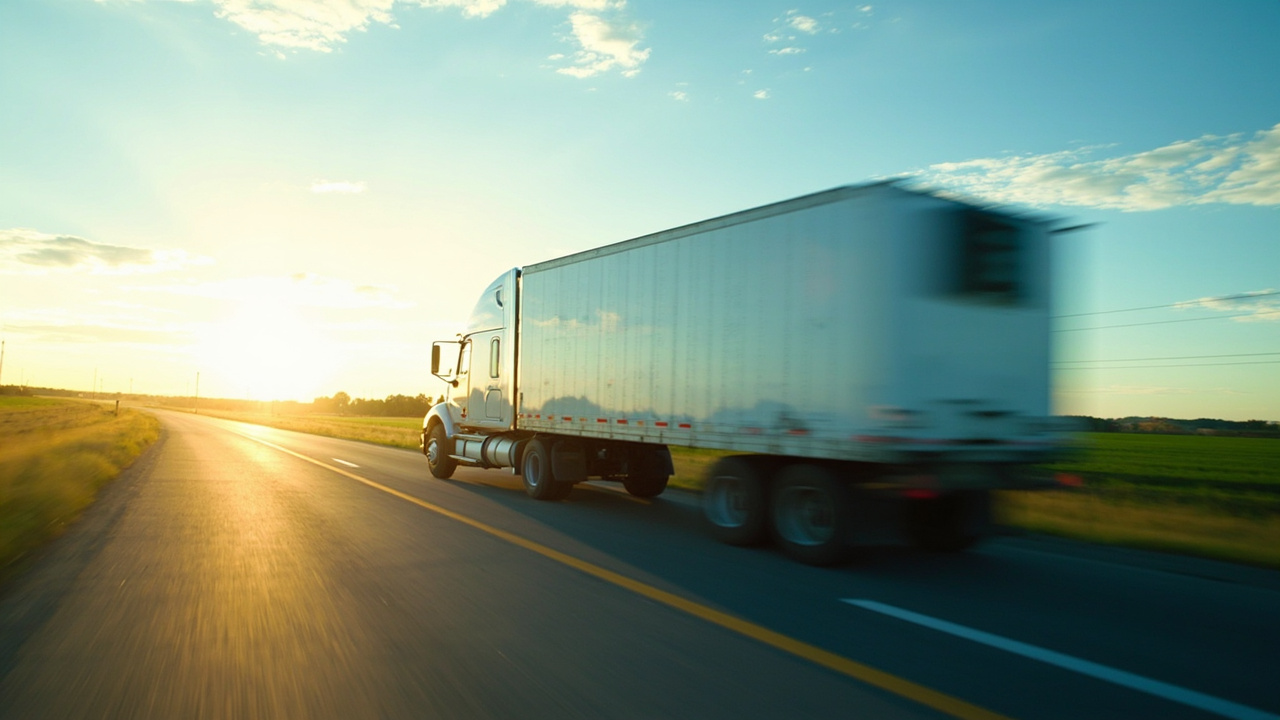
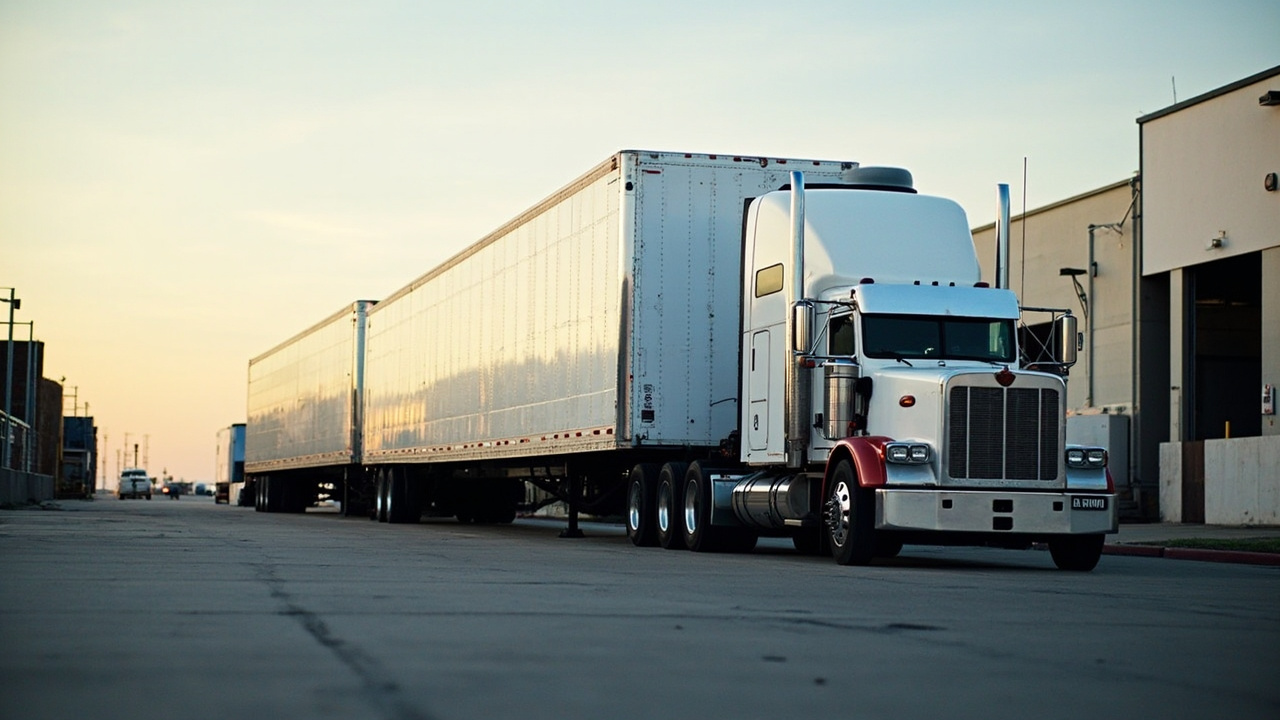
Dry van is usually the right call for palletized goods, boxed product, packaged materials, and freight that needs protection from weather. It works best when the shipper and receiver have docks or standard forklift access.
When flatbed usually fits
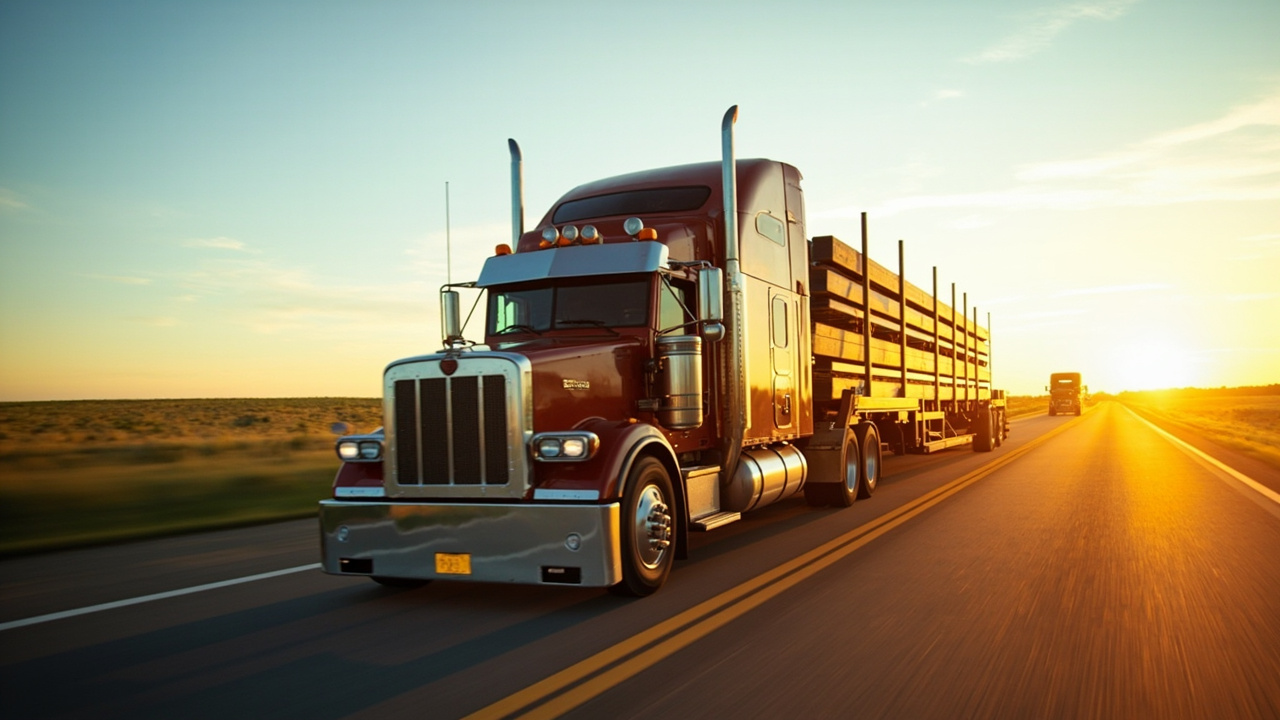
Flatbed makes sense when freight is too long, too wide, too tall, or too awkward for a van. Building materials, steel, machinery, pipe, and equipment often need flatbed access. The tradeoff is that securement, tarping, and site conditions matter more.
How BKE looks at it
We do not guess equipment just because a load sounds close. We ask how it loads, how it unloads, what it weighs, what the dimensions are, and whether weather protection matters. That is the difference between a load that moves clean and one that ties up everybody’s day.