Flatbed freight is simple until it is not
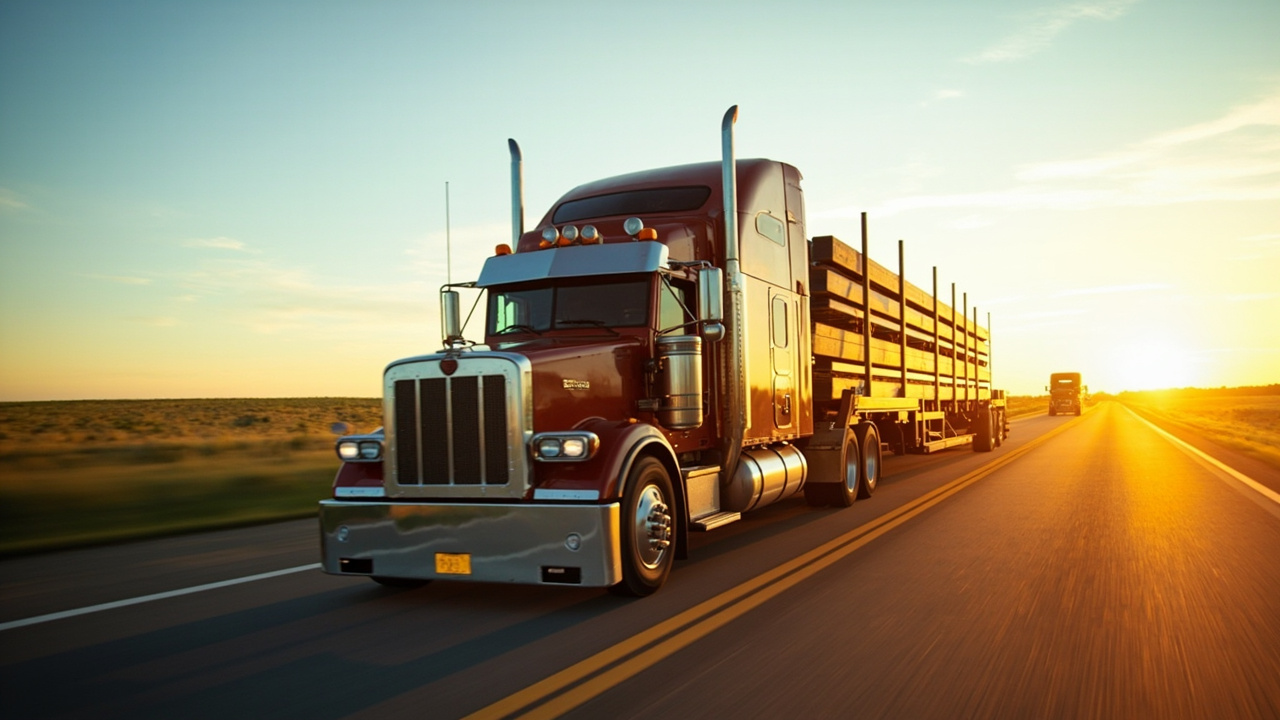
Flatbed is the right tool when the freight cannot go neatly into a dry van. Steel, lumber, machinery, pipe, construction material, farm equipment, and oversized pieces all end up on flatbeds for a reason: they need open-deck access and careful securement.
The part that gets expensive is not usually the trailer. It is missing details. If a shipper leaves out dimensions, weight, loading method, tarp needs, or site restrictions, the truck can show up wrong before the load ever moves.
What a broker needs before quoting flatbed
- Exact commodity and piece count
- Length, width, height, and weight
- Pickup and delivery ZIP codes
- Loading and unloading method
- Tarp requirements
- Appointment times
- Whether permits or escorts may be involved
Securement and tarps matter
Flatbed freight rides in the weather and out in the open. That means securement and protection have to be discussed before dispatch. Some loads need chains, some need straps, some need edge protection, and some need tarps. If the freight is sharp, tall, fragile, or weather-sensitive, say it early.
The straight-shooter takeaway
If you want a better flatbed rate and fewer surprises, give the broker the real details the first time. BKE looks at the freight from the trucking side too, not just from a screen. That helps us ask better questions before a driver burns time.