What a drop trailer program is, in plain terms
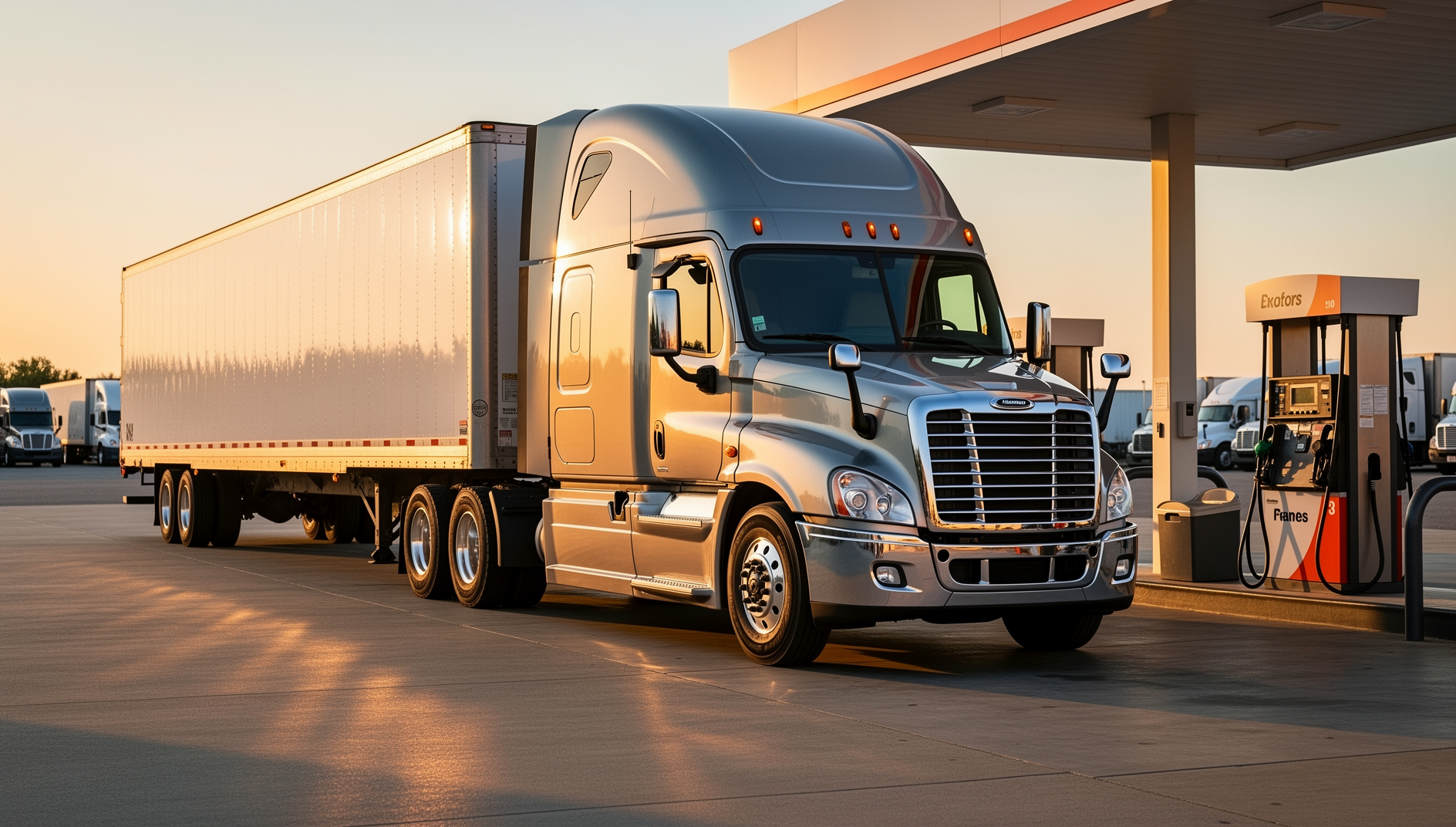
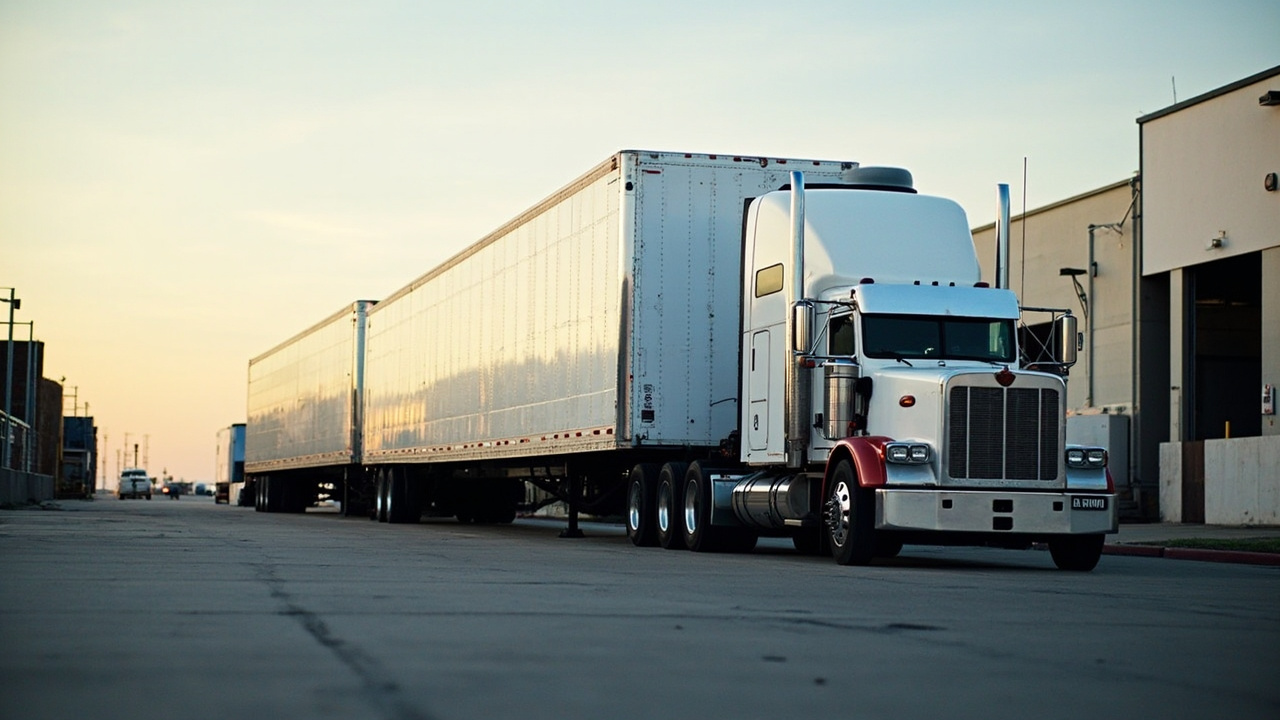
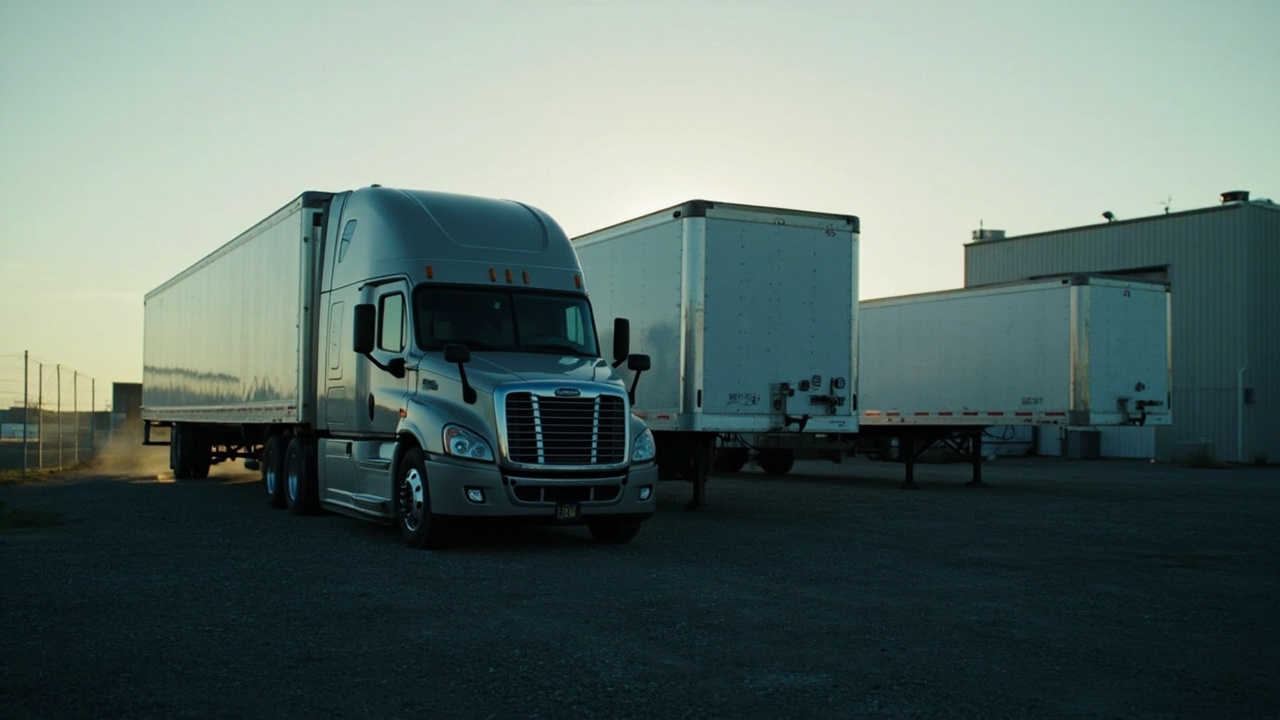
A drop trailer program is an arrangement where a trailer sits at a shipper's or receiver's dock for an extended period and a separate tractor comes to swap it. The driver drops a loaded or empty trailer, hooks the one that is ready to go, and drives off. Cargo never waits on the driver. The driver never waits on the dock.
Also called drop-and-hook, trailer pool, or dedicated trailer programs. The trailer can be owned by the carrier, the broker, the shipper, or a leasing company. A drop-and-hook is a tool, not a service tier, and whether it is the right tool depends on lane volume, dock windows, freight value, and detention risk.
Why US shippers set them up
The reason most shippers end up in a drop trailer program is detention. The truck is at the dock, the driver is on the clock, and the load is not moving because the receiver is short-staffed, the warehouse is backed up, or the appointment window slipped. Detention charges exist, but they are slow and only cover some of the cost. A shipper who consistently burns two hours per load at the receiver is paying for a parking spot, not freight capacity.
The textbook promise of drop-and-hook is that the trailer becomes the warehouse and the driver becomes a swap. A driver pulls in, drops a loaded trailer at door 12, hooks the empty at door 14, and is gone in fifteen minutes. The shipper loads or unloads on its own clock. Hours of Service limits under 49 CFR 395 do not get tested by a slow dock. The freight is at the dock waiting on labor, not on a driver earning detention.
Three ownership models, three different paper trails
The trailer in a drop-and-hook program can belong to the shipper, the carrier, the broker, or a third-party leasing company. Each model has a different contract and a different risk profile. Get this wrong and the program quietly bleeds money.
Carrier-owned trailer, dedicated to a single shipper
The carrier buys the trailer and dedicates it to one shipper's lanes at a higher line-haul or dedicated rate. Clean ownership, one contract. The disadvantage is that the carrier's pricing has to recover the trailer cost, and the shipper is locked in until the carrier retires or relocates the trailer. If the shipper's volume drops, the trailer is still in the yard and the rate does not move.
Broker-owned trailer, pooled across multiple shippers
The broker buys the trailer and runs it in a pool, serving two or three shippers in a region on a rotation. This is the model most often called a trailer pool. The broker's pricing has to cover the trailer and a margin, but utilization across more loads lowers the per-load cost. Verify the broker's MC number on FMCSA SAFER the same way you would for any other tendered load, and confirm contingent cargo coverage for the periods the trailer sits at the dock.
What the FMCSA rules actually require
Three CFR sections, plus the broker registration statute, matter for a drop trailer program.
49 CFR 393.106 covers what securement devices a trailer must carry, and which are required by cargo type. A trailer sitting at a dock for three days still has to roll out with the right load-securement equipment on board: straps, chains, binders, edge protection, dunnage. The carrier is responsible for the equipment, but a trailer dedicated to a single shipper's commodity is a known configuration. Get the spec right once, and the trailer carries what it needs for the life of the program.
49 CFR 396 is the vehicle inspection and maintenance rule. Under 49 CFR 396.3, the motor carrier or intermodal equipment provider responsible for equipment subject to its control must inspect, repair, and maintain it on a systematic program. Title alone does not determine who runs the program; control of the equipment does. Annual inspections, brake adjustments, tire replacement, and a record of each one are not optional.
49 CFR 371 is the broker records rule. It governs the records a property broker must keep and produce for each transaction — the shipment record, the broker's record of the carrier, and the format those records are kept in. A drop-and-hook program touches this rule because the broker must keep a record of every shipment it arranges, but a trailer reassignment by itself is not a broker transaction.
49 U.S.C. 13901 and 49 CFR 387.307 are the broker registration and financial-responsibility rules. Interstate property-broker authority is granted under 49 U.S.C. 13901, and the property broker demonstrates financial responsibility with the surety bond and trust required by 49 CFR 387.307. Verify both on FMCSA SAFER before tendering a dedicated trailer swap.
None of these rules are exotic. What makes a drop trailer program different is that the equipment is sitting still, owned by one party, and operated by another, which means the contract has to allocate the responsibilities these rules impose.
When a drop trailer program pays off
Drop-and-hook pays off when the math lines up. Five situations where it usually does:
- Daily or near-daily volume on the same lane. One trailer in rotation justifies the equipment cost.
- Tight receiver windows with consistent dwell. If the receiver is reliably 90 minutes to two hours per load, drop-and-hook turns that into dock time, not driver time.
- Seasonal or project surges. A retailer running a peak-season build or a one-month production push can dedicate a trailer for the run and release it without long-term commitment.
- High-value or time-sensitive freight. When detention is product risk (produce, cold chain, hazmat, pharma-grade), reducing dock time is a real operational gain.
- Limited carrier capacity in a lane. When a shipper cannot get a live unload to commit to a tight window, dedicating a trailer is the difference between freight moving and freight sitting.
What the contract should say
The contract lives or dies on a few clauses, in plain language:
Who owns the trailer. Title, registration, and the equipment number on the FMCSA inspection record. The contract should name the owner of record.
Who maintains the trailer. Pre-trip inspections, annual DOT inspections, tire wear, brake jobs, reefer unit service, and the documentation trail for each. A maintenance matrix naming the responsible party is more useful than a paragraph that says the carrier maintains the trailer.
Who insures the trailer. Physical damage, cargo coverage while the trailer is at the dock, and liability if a defect causes an accident. The certificate of insurance should list the trailer by VIN and name the parties as additional insureds for the right of loss.
How detention is handled. Drop-and-hook eliminates detention at the receiver but can introduce it at the swap. If the receiving trailer is not ready when the tractor arrives, who eats that time? The contract should say.
How the trailer is returned at program end. When the program ends, the trailer goes back to its owner in delivered condition minus normal wear. The contract should define normal wear, who pays for excess wear, and the inspection process that decides which is which.
How a broker fits into a drop trailer program
For a shipper who does not run a private fleet, the broker is the natural counterparty. The broker sources the tractor, the carrier, and sometimes the trailer. The shipper gets one bill, one point of contact, and one rate confirmation per swap. A broker running this program should source a tractor on a recurring basis, hold the right equipment in the right region, verify authority and insurance for every tractor in rotation, and carry contingent cargo coverage while the trailer is at the dock.
What a broker should never do in a drop-and-hook program: book the load, hand the shipper a number, and disappear. That is a load board, not a broker.
How BKE runs a drop-and-hook program
When a US shipper asks for a drop trailer arrangement, BKE starts with the lane: volume, equipment, receiver windows, dwell, and how the freight is tendered. From there we decide whether the right model is a dedicated carrier-owned trailer, a broker-owned pool trailer, or a shipper-owned trailer with a tractor provided. Every drop-and-hook load runs on a written rate confirmation naming the carrier, the trailer, the pickup, and the delivery. The trailer is on a documented maintenance schedule with the responsible party named, the carrier's authority and insurance are verified on FMCSA SAFER for every tractor in rotation, and contingent cargo coverage sits on top of the carrier's primary policy for the periods the trailer is at the dock.
BKE Logistics is a licensed property freight broker. MC# 1588065, USDOT# 4141583, surety bond on file. Authority and insurance can be verified on FMCSA SAFER. We broker flatbed, dry van, and reefer freight across the USA, including dedicated and drop-trailer capacity. Send the load details through the quote form, email harveyr@bkelogistics.com, or call (479) 351-0393.