
The BKE Logistics Blog
Straight talk from the desk in Hector, written the way I would say it on the phone. Flatbed and step deck are the main work. Dry van and reefer when the freight needs them.

Bill of Lading for Shippers: What It Is and How to Use It
The bill of lading is the document that proves what was tendered, who moved it, and what the carrier owes you if it goes wrong. What it covers, what it does not, and the deadlines that ride on it.
Read the post →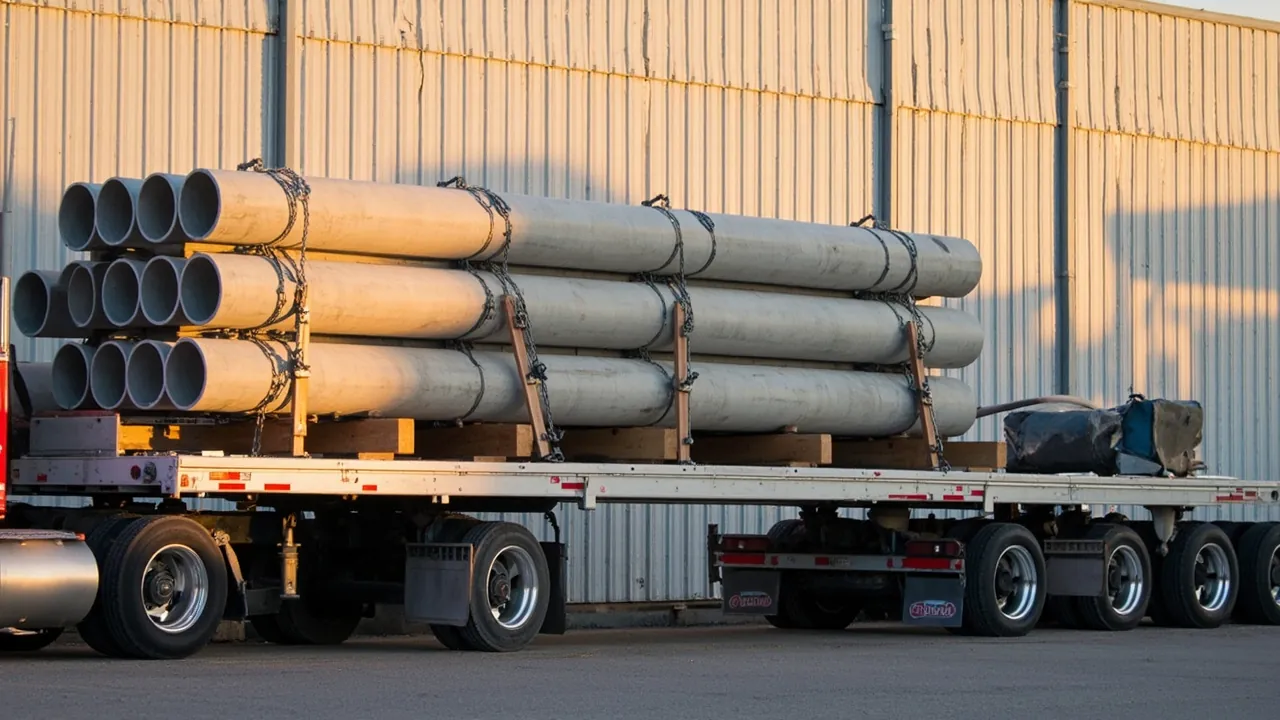
Oversize and Overweight Freight: What Shippers Need to Know
A shipper's guide to oversize and overweight freight: the federal weight baselines, why permits are a state job, and what belongs on the rate confirmation.
Read the post →
Accessorial Charges: What They Are and How to Control Them
Detention, layover, lumper, tarp and driver assist - what each accessorial charge means on a freight invoice, and how to set the terms so the bill is clean.
Read the post →
LTL vs. FTL: Which Mode Fits Your Shipment
LTL or FTL is the first question every shipper answers. Here is how to decide based on weight, pallet count, dock setup, and transit expectations, without paying for a full truck you do not need.
Read the post →
Drop Trailer Programs: A Shipper's Guide to Drop-and-Hook
A drop trailer program trades detention risk for equipment cost. Here is how a US shipper decides if it is worth it, how the paperwork should read, and what FMCSA rules apply.
Read the post →
How to Choose a Freight Broker Before You Tender a Full Truckload
Choosing a freight broker is not about the lowest rate, it is about vetting, communication, and accountability before your truck ever rolls. A 7-point shipper checklist.
Read the post →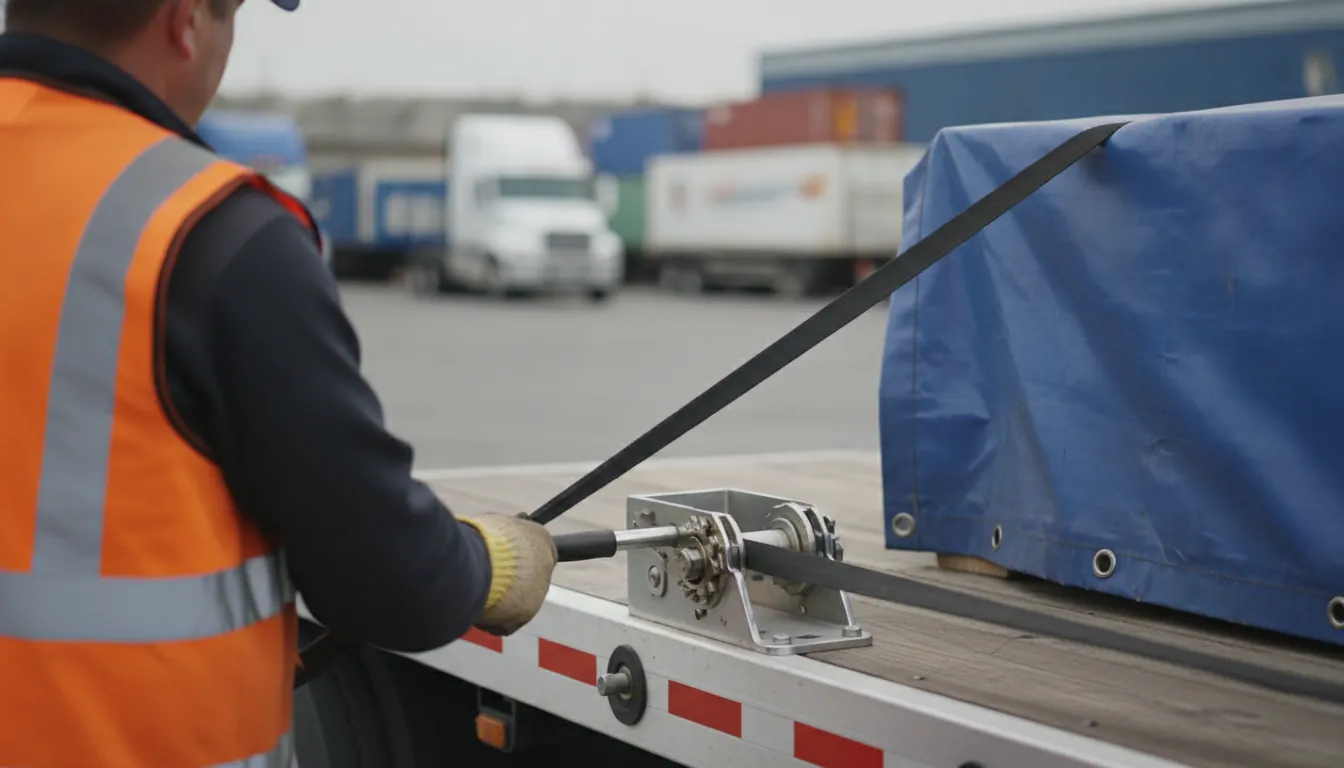
5 Questions to Ask Any Flatbed Carrier Before You Book
A shipper checklist: MC authority, insurance certificate, FMCSA SMS, securement fit, and double-broker checks, the five things that actually matter before you tender.
Read the post →
How Shippers Can Reduce Freight Risk Before Pickup
A practical pre-pickup checklist for shippers who want fewer freight surprises, cleaner handoffs, and better broker execution.
Read the post →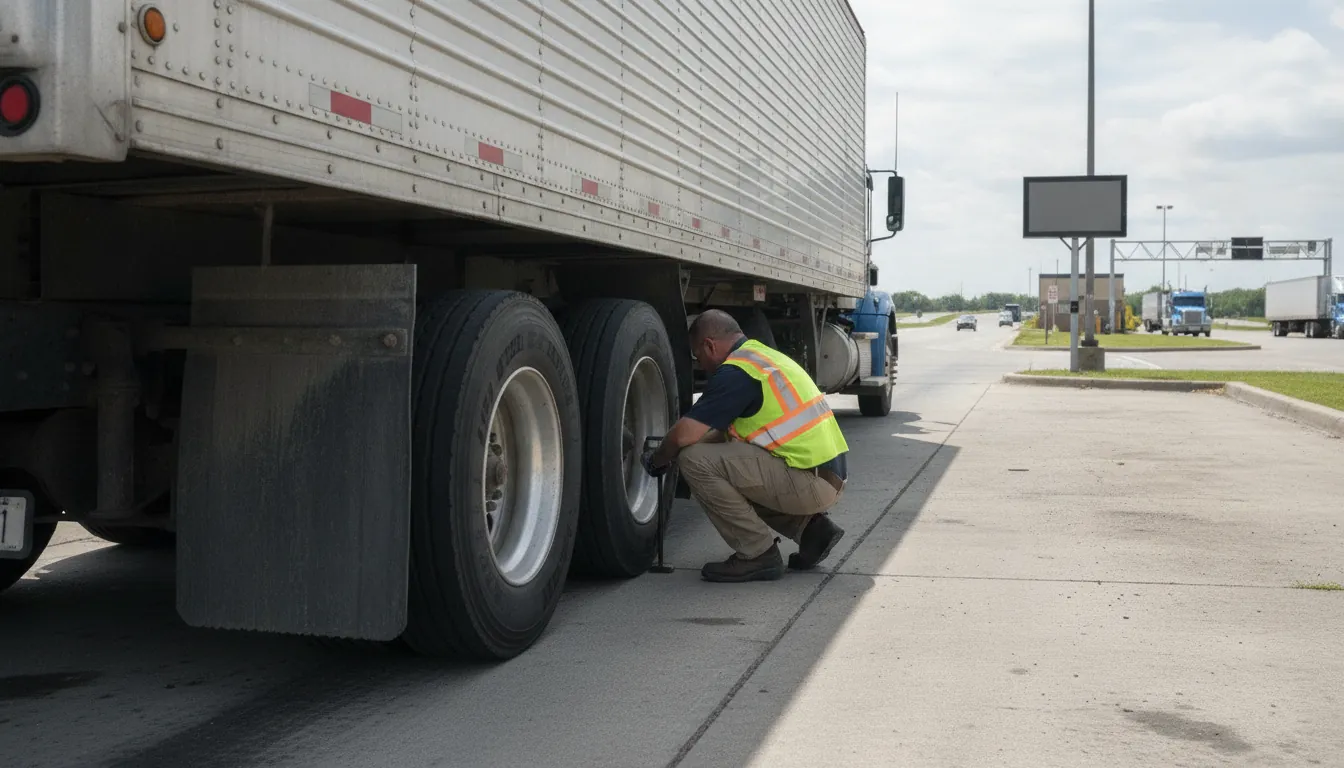
Why Your Carrier's SMS Score Can Change Between Quote and Tender
FMCSA Safety Measurement System data moves. After the June 2025 Montgomery ruling, documented re-checks at tender are a broker liability requirement, not a nice-to-have.
Read the post →
DOT, MC, and Surety Bond: What They Mean for Your Freight
A clear explanation of freight broker authority, DOT/MC identifiers, and surety bonds, and why shippers should care.
Read the post →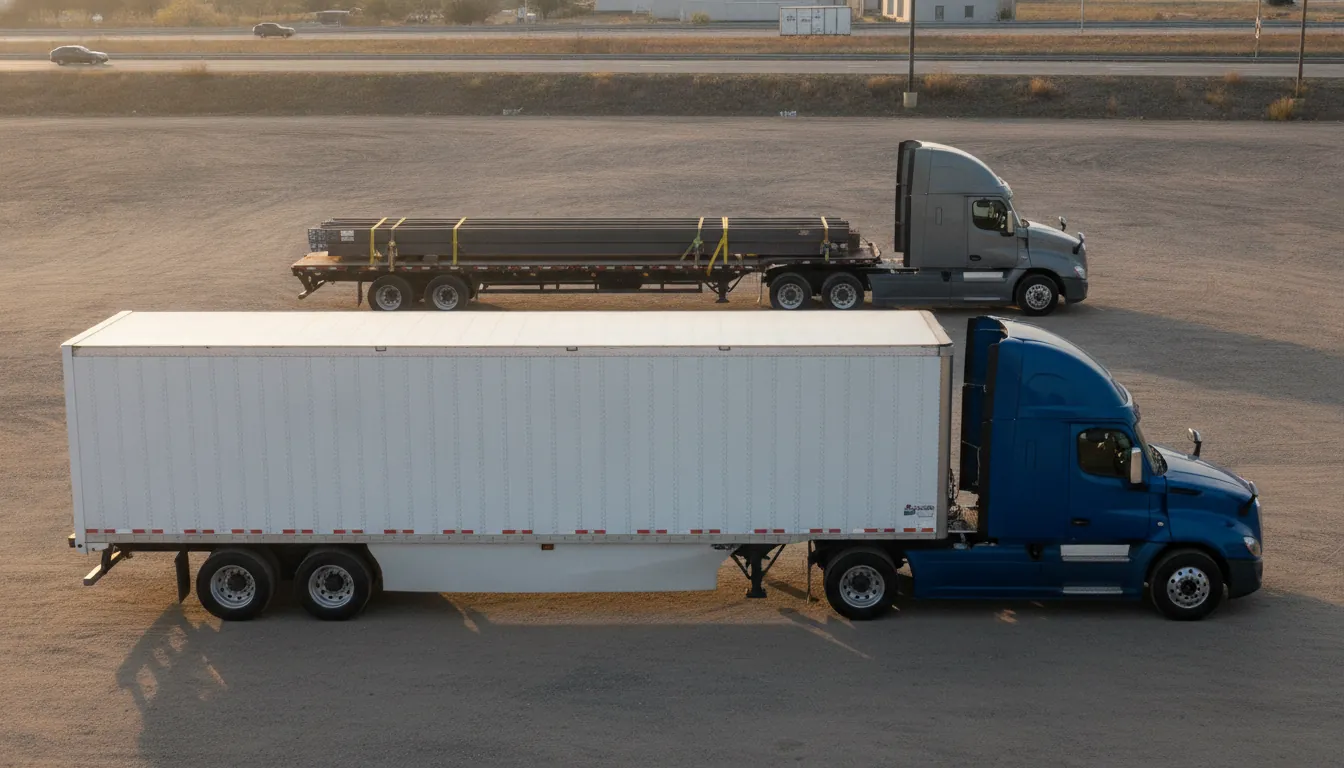
Dry Van vs. Flatbed: Choosing the Right Equipment
A shipper-friendly guide for choosing dry van or flatbed equipment based on freight shape, loading method, protection needs, and site conditions.
Read the post →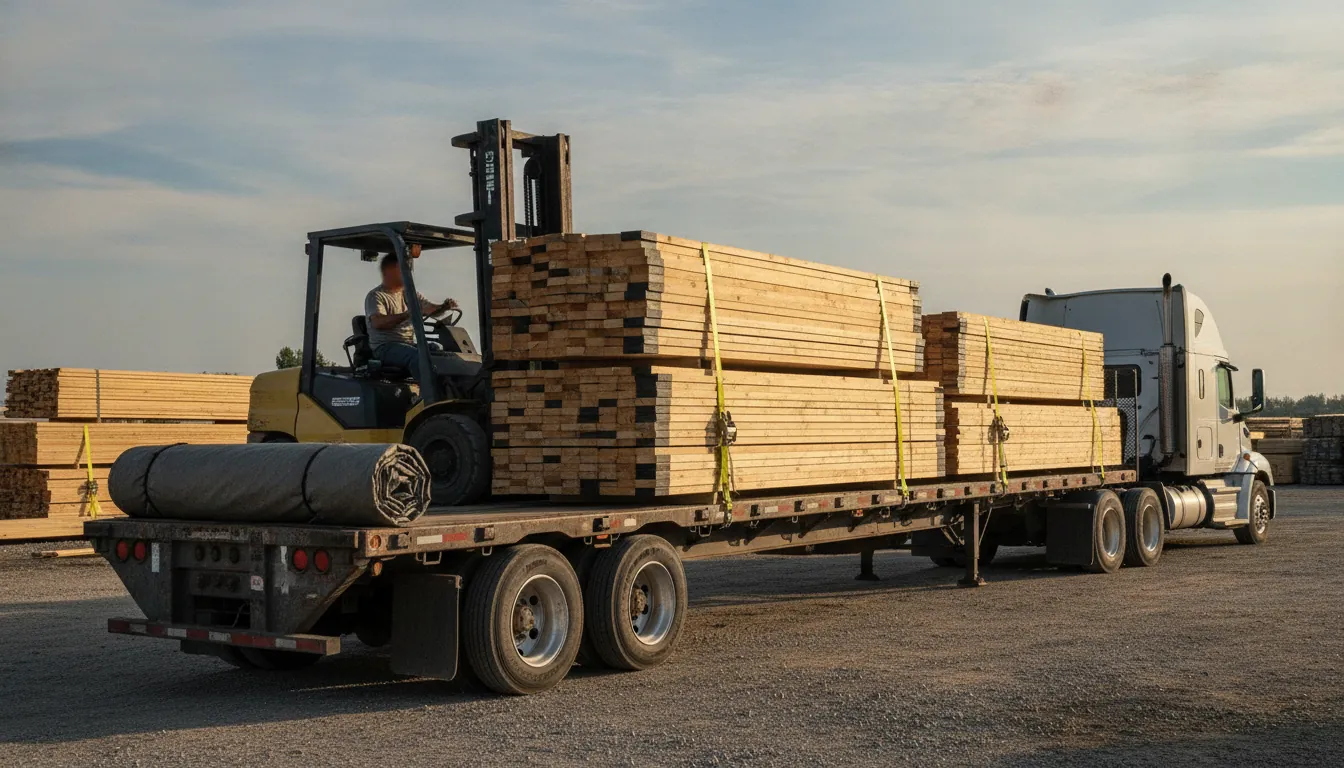
Flatbed Shipping Guide: What Shippers Need to Know
A plain-English guide to flatbed freight: open-deck equipment, securement, tarps, loading-site needs, oversized loads, permits, and the details that keep a shipment from turning into a mess.
Read the post →
How to Read a Freight Rate Confirmation
What shippers and carriers should check on a rate confirmation before freight moves: money, miles, dates, accessorials, and load instructions.
Read the post →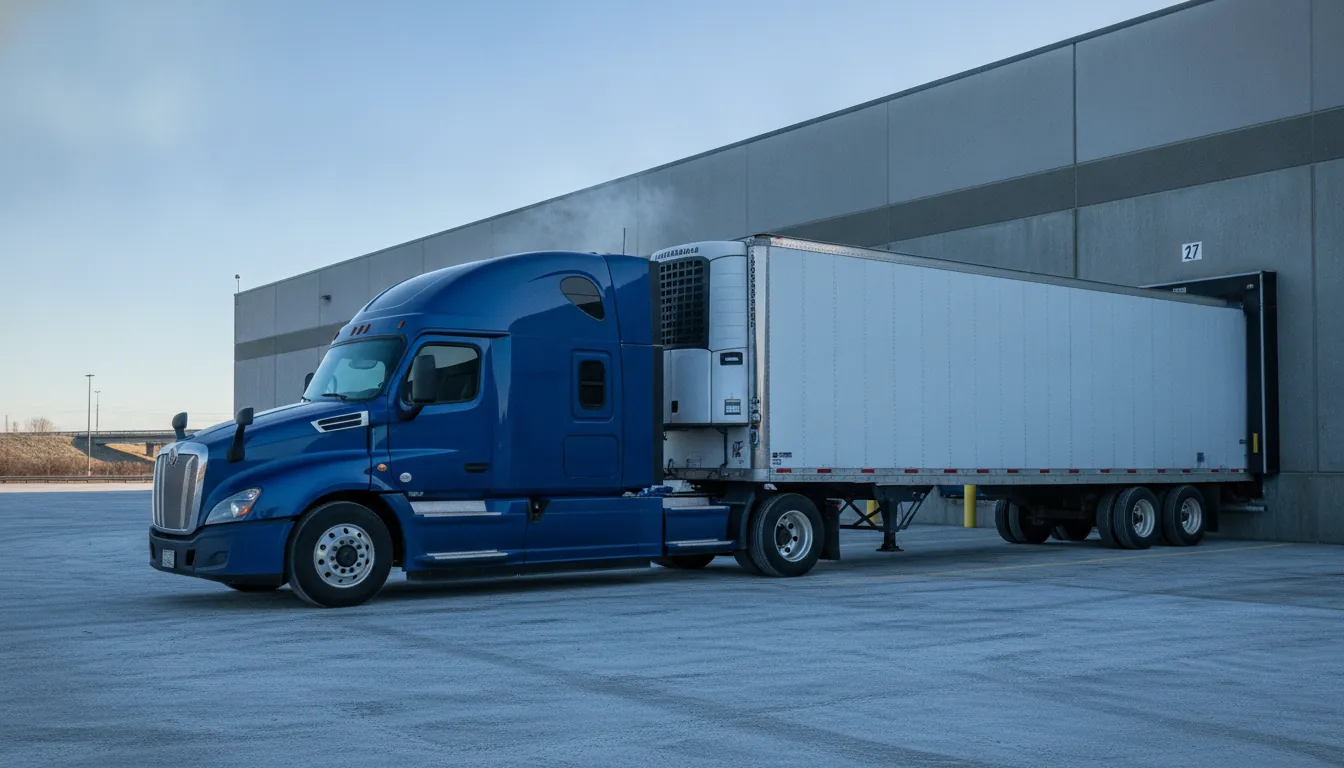
Reefer Freight Planning: Temperature Control Without the Headaches
How shippers can prepare refrigerated freight with clear temperature instructions, appointment windows, product details, and communication.
Read the post →Need a truck covered?
Send the lanes and the equipment. You get a straight answer from the owner, fast.