What a bill of lading actually is
A bill of lading, usually called a BOL, is the shipping document that moves with the freight. It is the carrier's receipt for the goods, it is the contract for moving them, and it is the evidence you will need if anything goes sideways in transit. One piece of paper, three jobs.
That is why it is worth understanding even if you never sign one yourself. Shippers who work through a broker hand the paperwork over at the dock and never read the face of it. Then a shortage shows up at the receiver, a claim clock is already running, and nobody can say what the carrier actually agreed to.
The BOL is also a federal recordkeeping requirement. 49 CFR 371.3 requires a broker to keep a record of each transaction for three years, and that record has to show the consignor, the identity of the originating carrier, the bill of lading or freight bill number, and the amounts involved. The BOL number is the thread you pull when you need to find the rest of it.
BOL and rate confirmation are not the same document
Shippers mix these up constantly, and the mix-up costs time when time is expensive. The rate confirmation is the deal between you and the broker. The bill of lading is the deal between the shipper and the motor carrier, and it is the carrier's document. The rate confirmation tells you what the load pays. The BOL tells you what was handed over, in what condition, and how it was received.
If you work through a broker, the broker contracts with the carrier and issues the paperwork. Your job is to make sure the BOL signed at pickup describes your freight accurately, because once it is signed it becomes the record everyone argues from.
The three types you will run into
- Straight BOL: the shipper pays the freight. Most full truckloads move this way.
- Prepaid and Collect: same paperwork, different payment arrangement. Prepaid means the freight is billed to the shipper. Collect means the receiver pays the carrier, which usually means the shipper gets billed a fee for the privilege.
- Order Notify BOL: the shipper tells the carrier who to notify on delivery. Useful when the consignee is not the one who wants the call.
None of these change who is liable for the freight. They change who gets the bill.
What should be on the BOL when the driver picks up
The driver signs the BOL at pickup. Before that signature, the document should carry accurate answers on a handful of fields:
- Shipper and consignee: legal names and addresses, matching your own records.
- Points of origin and destination: the actual pickup and delivery locations, including dock numbers when it applies.
- Description of the goods: what is actually in the trailer. This is the line that gets read if there is damage later.
- Number of pieces and weight: counts and weight, not a vague estimate.
- Equipment type: trailer and any special equipment the load needs.
- Special instructions: hazmat, temperature, appointment, or handling notes.
Two rules from the carrier side of the law are worth remembering. First, under 49 CFR 370.3(c), a notation of shortage or damage on the freight bill or delivery receipt by itself is not a claim. It records what somebody saw at the dock. It does not start the clock on recovering the money and it does not replace filing. Second, under 49 CFR 370.3(d), a claim for an uncertain amount, written as a dollar figure plus or minus a number, will not be voluntarily paid until you name a determinable figure. If you are filing a claim, put a real number on it.
When something is damaged or short at delivery
This is where the BOL earns its keep, and where shippers lose money by treating the paperwork like a formality.
Write the exception on the delivery receipt at the dock, while the driver is still standing there. Photograph it, and do not let the freight get signed off as clean because the dock is backed up. Then actually file the claim. 49 CFR 370.3(c) is unambiguous on this point: the notation is not the claim.
Know your clock before you need it. Under 49 U.S.C. 14706(e)(1), the Carmack Amendment, a carrier cannot require a period of less than nine months for filing a claim against it, and cannot require less than two years for bringing a civil action after it has denied part of a claim in writing. The standard uniform bill of lading terms split the timing by type of claim: damage claims within nine months of the date of delivery, loss claims within nine months of the bill of lading date. Read the terms on your own BOL, because the carrier can give more time than the federal floor and the BOL governs the contract.
Once a proper claim is on file, the carrier's response is on a schedule. Under 49 CFR 370.5(a) the carrier acknowledges a proper claim in writing within 30 days. Under 49 CFR 370.9(a) the carrier pays the claim, denies it, or makes a firm written settlement offer within 120 days, with status advice every 60 days after that if it is still open.
Who you are actually claiming against
This is the point that trips people up, so say it plainly. A cargo loss or damage claim is a claim against the motor carrier that had possession of the freight. The carrier is responsible for the freight in its custody, and the carrier's coverage is what funds the carrier's liability. A broker arranges transportation; it does not take custody of the freight.
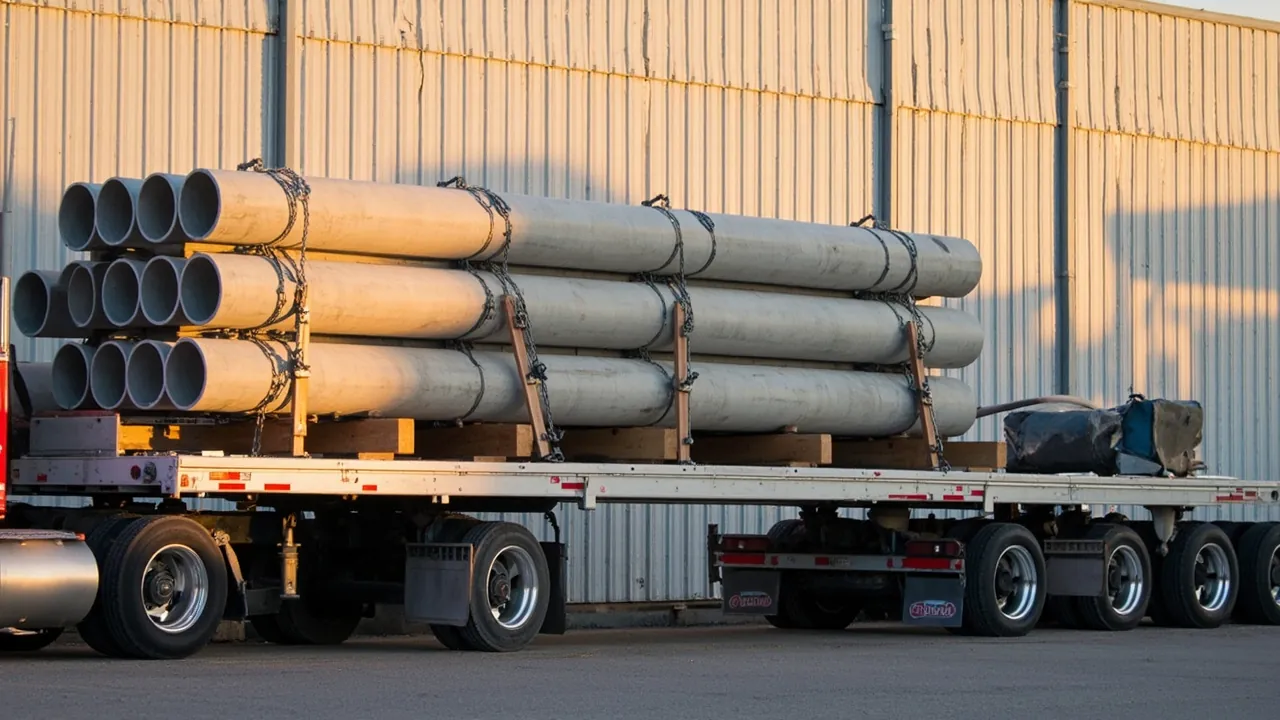
So the practical move is to keep the paperwork that identifies the carrier and the load. The BOL number, the carrier's name, the MC or USDOT number, the rate confirmation, and the delivery receipt are what let a claim get filed at all. That is what the broker's transaction record under 49 CFR 371.3 is for, and each party to a brokered transaction has the right to review that record. If a piece of steel walked off a flatbed, the first question is which carrier had the load and what is the BOL number.
Five mistakes that cost shippers money
- Treating the BOL as a receipt and nothing else. It is the contract and the evidence. Read it.
- Signing clean because the dock is busy. A clean signature on a short load is a fight you will lose without a recorded exception.
- Thinking the notation on the receipt is the claim. Under 49 CFR 370.3(c) it is not.
- Filing an uncertain amount. Under 49 CFR 370.3(d) a dollar figure plus or minus a number will not be voluntarily paid. Name a determinable amount.
- Letting the clock run out. Nine months for the claim, two years for the suit, and the BOL terms can differ. Put the dates in a calendar the day the freight delivers.
What BKE does with the paperwork
We keep the transaction record under 49 CFR 371.3 and we will show you what supports a charge when you ask. On a clean load, the paperwork matches the freight: the piece count, the weight, the description of the goods, and the trailer type all line up with what you told us was moving.
On a load that goes wrong, you get the carrier identity and the BOL number without digging for them, because that is what a claim needs and what we are required to keep. If your freight arrived short or damaged, get the exception written on the delivery receipt at the dock and tell us the same day. We will get you the record so you can file against the right party, on time.
Related reading
The guide to reading a rate confirmation covers the paperwork that comes before the load rolls. The accessorial charges guide covers what shows up on the invoice after the fact. The freight risk guide covers the steps that keep freight from going wrong.