The decision most shippers get wrong
Ask any dispatcher what the first question is when a load comes in, and the answer is almost always the same: LTL or FTL. Get that wrong and the rest of the quote gets expensive fast. Quote a six-pallet shipment as full truckload and the shipper pays for 30,000 pounds of capacity they never use. Quote a 38-pallet load as LTL and the freight breaks up across three trailers, racks up three sets of accessorials, and arrives on three different days. Same freight. Different mode. Wildly different outcome.
For U.S. shippers moving palletized, boxed, or crated freight, the choice between less-than-truckload (LTL) and full truckload (FTL) is the load's first line item and its first tradeoff. BKE is an asset-light brokerage. Flatbed and step deck come first. Dry van and reefer are secondary. This article is not a sales pitch for one mode. It is a straight-shooter walkthrough of the rules that decide it.
What LTL actually is
Less-than-truckload is a shared-trailer service: multiple shippers' freight rides on the same truck between terminals, with each shipment billed separately by weight, dimensions, and freight class. Pallets get touched, sorted, and reloaded at least once on the way to the receiver. That handling is what makes LTL possible at low volume. It is also what makes LTL slow.
LTL pricing is governed by the National Motor Freight Traffic Association's NMFC freight class system, which assigns every commodity a class from 50 to 500. Density drives the class: heavy, palletized goods price low per hundredweight; light, bulky goods price high. Most LTL carriers publish their own tariffs on top of the NMFC rates, and accessorials are listed line by line.
What FTL actually is
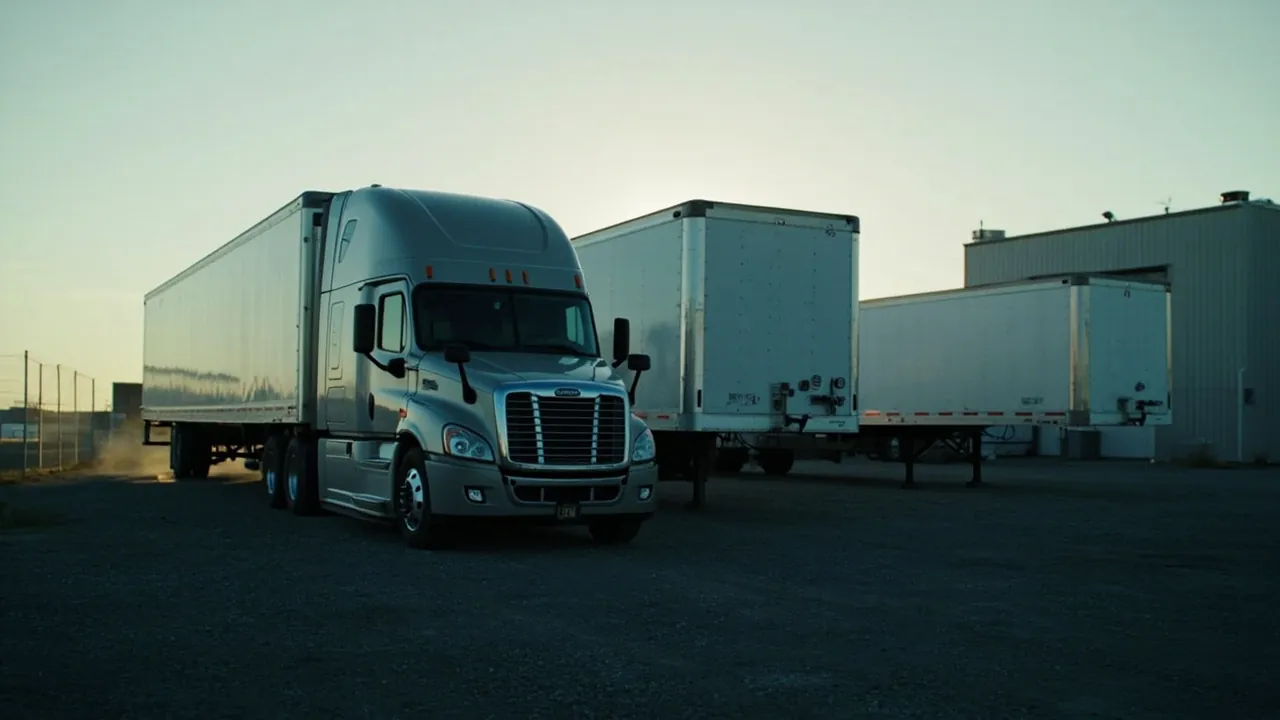
Full truckload is point-to-point: one shipper's freight fills the trailer (or mostly fills it), and the truck goes from origin to destination without sorting or handling along the way. Transit is the published line-haul mileage plus a small driver-rest window. The trailer does not open between origin and destination unless the shipper or receiver asks for a stop.
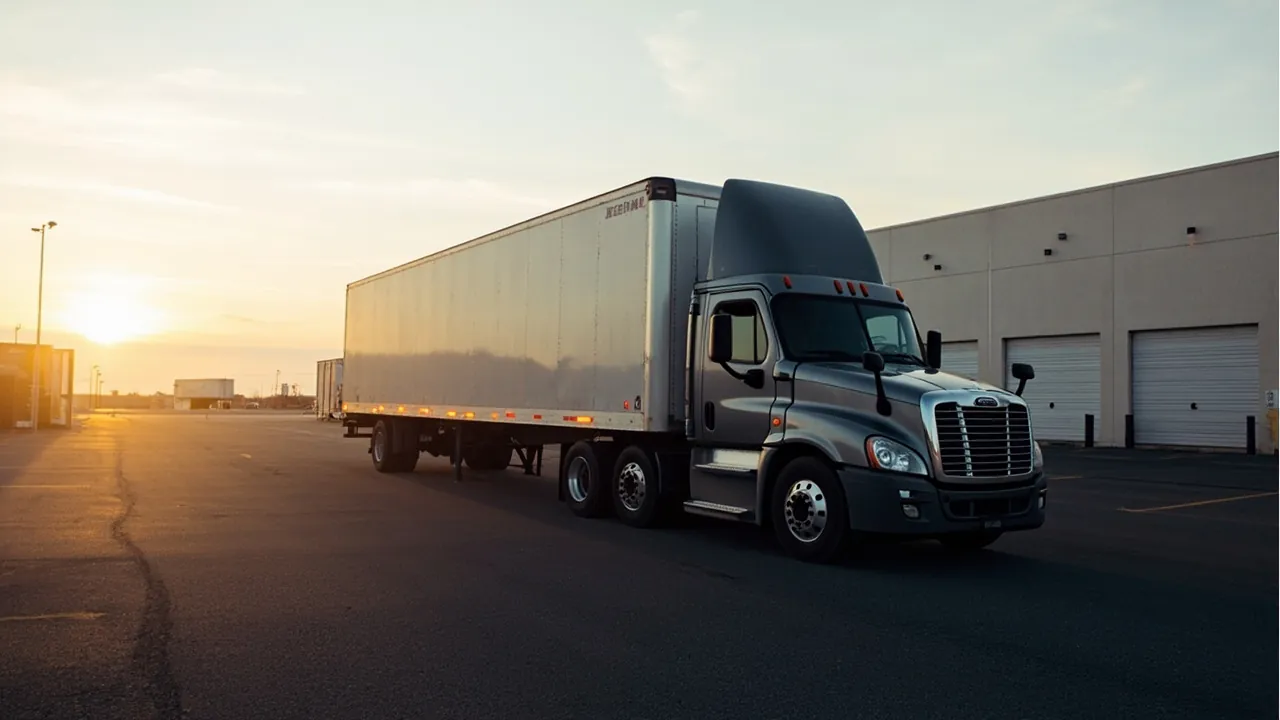
FTL is what BKE brokers every day: dry van loads in 53-foot trailers, flatbed loads on 48- and 53-foot decks, and refrigerated loads with a working reefer unit. No sorting, no hub, no other shipper's freight on the truck.
The four variables to compare
Four practical numbers decide the mode. Run the rest first; quote later.
Variable 1: Weight and pallet count
The most common breakpoint is roughly six pallets or roughly 12,000 pounds. Below that, LTL usually wins on cost because the shipper is not paying for empty trailer space. Above that, FTL usually wins because the LTL accessorial stack outruns the empty-mile discount on a dedicated truck.
Cube matters too. Six pallets of lightweight pillows may only weigh 4,000 lbs but consume half a trailer; cube-out before weigh-out. A load that looks light on a scale can be heavy on a truck.
Variable 2: Dock and accessorial setup at both ends
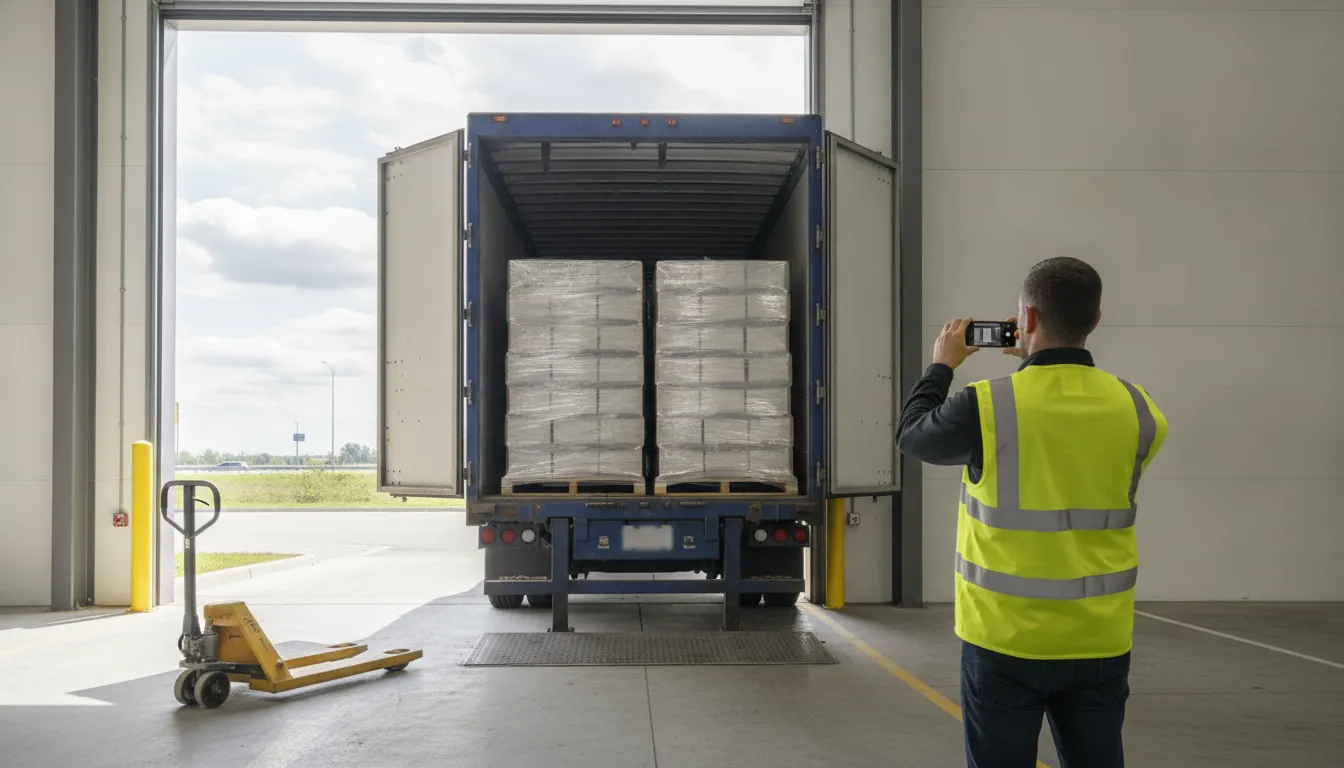
LTL freight goes through a hub. That means it gets sorted and handled at least once on the way to the destination. FTL freight goes dock to dock and does not move unless the driver moves it.
Conversely, FTL freight needs a dock or a liftgate-equipped receiver. If the receiver is a residential address, a job site without a loading dock, or a small business with a tailgate-only setup, FTL turns into a re-tender or a deadhead. LTL with a liftgate accessorial handles those receivers routinely.
Variable 3: Transit expectations
LTL transit is published, not promised. A Memphis-to-Mobile lane on a national LTL carrier's tariff might quote standard transit at 2 business days; the actual run depends on the hub schedule, line-haul cut times, and whether the freight makes the same-day sort at the break-bulk terminal. Plan on a one-day variance on either end of the published transit.
If the receiver has a hard appointment window (a retailer's DC, a manufacturer's production line, a perishables receiver) the predictability of FTL beats the published transit of LTL. A single truck, point to point, with the driver on the load from pickup to delivery.
Variable 4: Accessorials and hidden fees
LTL carriers charge for almost every deviation from a clean dock-to-dock pallet delivery: liftgate, residential, inside delivery, re-weigh, re-class, limited access, hazmat, sort and segregate, and storage if the freight sits at the terminal past free time. Each line item is small. Stacked together on a poorly-quoted shipment, they erase the headline rate advantage that put LTL in the running.
Read the carrier's tariff before booking LTL. We walk through the line items shippers most often miss in how to read a freight rate confirmation.
The quick-mode decision tree
Use this tree as a starting filter, then quote the gray-zone loads both ways. Operators do this every day; shippers who get a quote on quote-day save the most.
Shippers who follow this tree on every load stop paying for empty trailer and stop paying LTL surcharges on freight that should have been a truck.
When the freight does not fit either mode cleanly
Some loads sit in the awkward middle, a 16-foot skid at 4,000 lbs is technically LTL by class but a poor sort-line fit, and a 28-pallet bagged-goods load is technically FTL by count but cube-light. Quote both. Compare the total landed cost on the rate confirmation, not the headline line-haul on the quote email. The cheapest number is rarely the right one.
How to send a quote-ready freight brief for either mode
The cleanest quote requests (for either LTL or FTL) include the same six pieces of information. Carriers quote these back faster and tighter.
Shippers who send this with every quote get tighter numbers back and fewer surprises.
How BKE works the FTL side of this
BKE Logistics LLC is an asset-light freight brokerage in Hector, Arkansas. MC# 1588065, USDOT# 4141583, surety bond on file. Flatbed and step deck come first. Dry van and reefer when the freight needs them. We cover backup capacity. We do not broker LTL. Send the load details through our quote form, email [email protected], or call (479) 351-0393.
For LTL work we are honest about being the wrong broker. For FTL work where this mode decision lands on a full truck, send the load details and we will tell you within one business day whether the freight is a fit.