
A shortage notation is not a claim
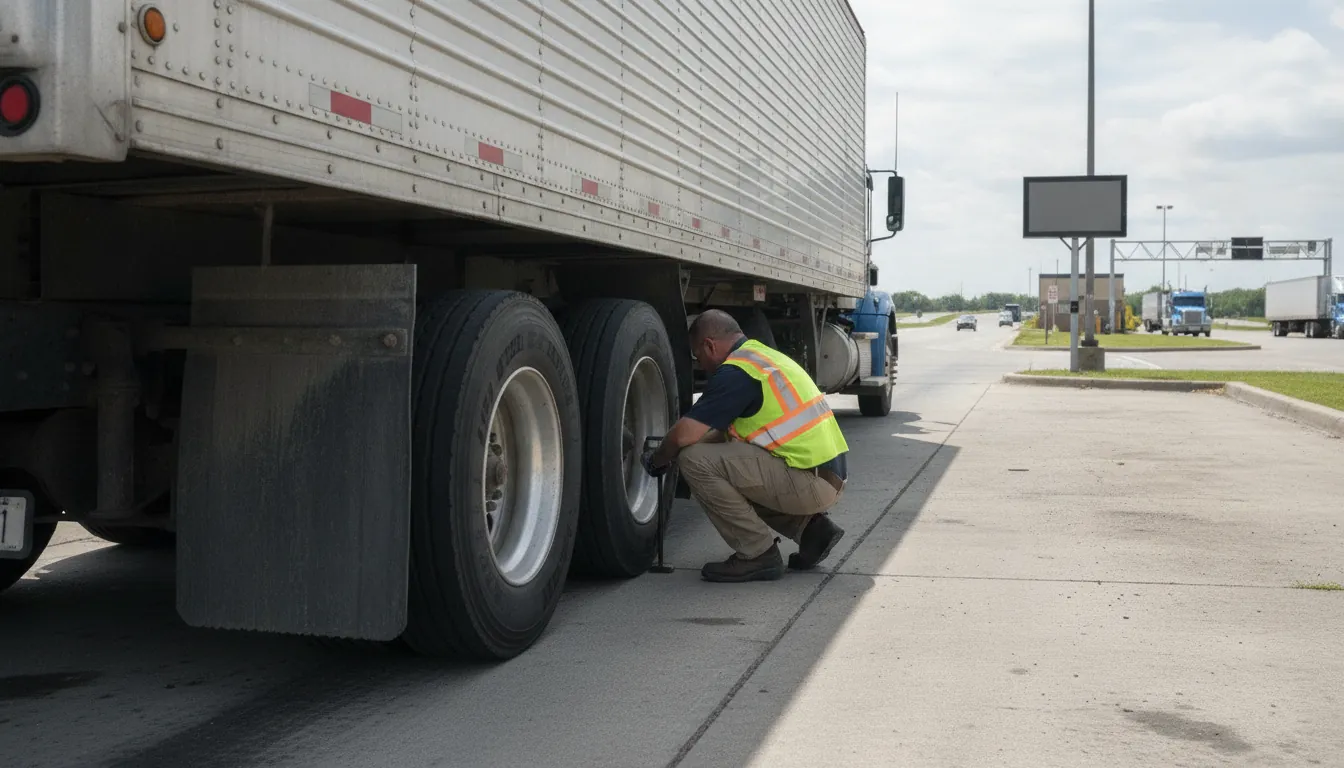
Freight gets damaged. Pallets get crushed, shrink wrap tears, a driver finds a trailer's door unlatched behind him, and a receiver at the dock writes "short two cases" on the delivery receipt. Then six weeks pass and somebody asks why the claim was never filed. Here is the plain reason: writing the damage on the paperwork is not the same as filing a claim, and the difference costs shippers real money.
Federal regulations on cargo claims are specific about this. 49 CFR 370.3(c) says that bad order reports, appraisal reports of damage, and notations of shortage or damage on freight bills or delivery receipts, whether the loss is shown in dollars or not, standing alone do not meet the minimum claim filing requirements. The notation records what somebody saw. The claim is a separate written filing.
The clock matters more than the paperwork. Under 49 U.S.C. 14706(e)(1), a carrier may not require a period of less than nine months for filing a claim, and the period for bringing a civil action cannot be less than two years. That two-year clock runs from the date the carrier gives written notice that it has disallowed any part of the claim. Your bill of lading may set longer windows than the federal floor, and many do. Read your own BOL terms before you assume you have nine months.
What a proper claim must contain
49 CFR 370.3(b) sets three minimum requirements: facts sufficient to identify the shipment, an assertion of liability for the loss or damage, and a claim for payment of a specified or determinable amount of money. Miss any one and the carrier is not obligated to pay.
That third requirement is where a lot of shippers lose ground. Under 49 CFR 370.3(d), a claim presented for an uncertain amount such as "100 dollars more or less" will not be voluntarily paid until a formal written claim for a specified or determinable amount has been filed. "The value of the damaged goods" is not determinable. A specific dollar figure tied to documented invoice or replacement value is. If you cannot put a number on it yet, keep gathering documentation, because the clock runs while you do.
How to assemble the claim file
What separates a claim that gets paid quickly from one that stalls for a year is usually the paperwork. Here is what to collect, in order.
First, the identifiers: the bill of lading number, the freight bill number, the pro number, and the dates of pickup and delivery. These tie your claim to a specific movement. 49 CFR 371.3 is worth knowing here. A property broker has to keep a record of each transaction for three years, showing the consignor, the name, address and registration number of the originating motor carrier, the bill of lading or freight bill number, and the broker's compensation. Each party to a brokered transaction has the right to review that record. If you booked through a broker and do not know which carrier hauled the freight, ask for that record. It is a right, not a favor.
Second, the condition evidence. Photos taken at the dock, before the freight was unloaded and while the driver was still on site, carry far more weight than photos taken the next morning. Note the time and who was present. Keep the delivery receipt with any notation on it, and keep any written surveyor's report.
Third, the money. An invoice, a purchase order, a supplier receipt, or a current replacement quote for the damaged goods. This is what turns a notional loss into a determinable claim. Keep the freight bill, the rate confirmation and every invoice tying to the load, including any accessorial charges you paid. Then write the narrative: what happened, when you found it, and what you did about it. Facts, dates, names. That part most people skip, and it is the part that most helps an adjuster close a file.
Who you file with, and who pays
File with the carrier that took possession of the freight, or the carrier that delivered it. Under 49 U.S.C. 14706(a), the carrier issuing the bill of lading and the delivering carrier are both liable to the person entitled to recover under it, along with any carrier over whose line or route the property was actually transported. A broker is not one of those carriers. 49 CFR 371.7(b) is explicit that a broker may not represent its operations to be that of a carrier. When you tender freight through a broker, the broker arranges transportation and the motor carrier takes possession and is responsible for the freight in its custody. Your cargo claim is against that carrier.
What the carrier owes you after you file
Once you file a proper claim, the carrier has obligations on a statutory schedule. Under 49 CFR 370.5(a), the carrier must acknowledge the claim in writing within 30 days of receipt and tell you what documentation it needs, if any. Under 49 CFR 370.7(a), the claim must be investigated promptly and thoroughly. Under 49 CFR 370.9(a), the carrier must pay, decline, or make a firm written compromise settlement offer within 120 days of receiving the claim. If it cannot finish in 120 days, it must advise you in writing of the status and the reason for the delay, and repeat that every 60 days while the claim stays open.
Those are deadlines a shipper can hold a carrier to without hiring a lawyer. Keep every acknowledgment and status letter. If the carrier misses the acknowledgment, that is a fact you can put in front of an adjuster or an attorney without researching anything.
Three mistakes that cost shippers money
Not filing at all, because you assumed the notation was the filing. This is the most common error we see, and 49 CFR 370.3(c) draws the line clearly. If you did not send a written claim asserting liability for a determinable amount, you did not file, even when the carrier's own driver signed the receipt and the damage was obvious at the dock.
Filing late because the damage was small. The value of the claim does not change the deadline. The two-year suit window and the nine-month filing floor apply whether the loss was a pallet of filters or a load of machinery. Small claims also expire quietly, because nobody chases them, and by the time the paperwork matters the BOL terms have closed the window.
Letting the freight move without proof of condition. Photos at pickup, a condition note on the BOL, and a signed delivery receipt with anything unusual written on it are cheap. A claim you can prove is worth more than one you can only describe. For the paperwork side before the load moves, see how to read a freight rate confirmation and how shippers reduce freight risk before pickup.
Report it the day you find it
If freight arrives damaged, notify the carrier right away, in writing, and start documentation the same day. Say who you are, which load it is, what you found and what you are doing about it. Keep the freight if the carrier asks you to hold it for inspection, and keep the packaging, the pallets and the shipping labels, because they are part of the story. Then file the written claim on the schedule above.
The sooner you report, the cleaner the file. That is what 49 CFR 370.7(a) asks the carrier to do, and what makes a claim resolvable.
Legal footer: BKE Logistics LLC, MC# 1588065, USDOT# 4141583. BKE Logistics is a property broker of property (except household goods). We arrange transportation; the motor carrier takes possession of and is responsible for the freight in its custody. A cargo loss or damage claim is a claim against the carrier. Any claim against BKE for its own brokerage services is subject to the terms published on our site.
This article is general information about freight claim filing requirements. It is not legal advice. Your bill of lading, your contract of carriage, and your state law may set different terms, and deadlines are fact-specific. Talk to a qualified attorney or claims professional about your situation.