Why these questions matter
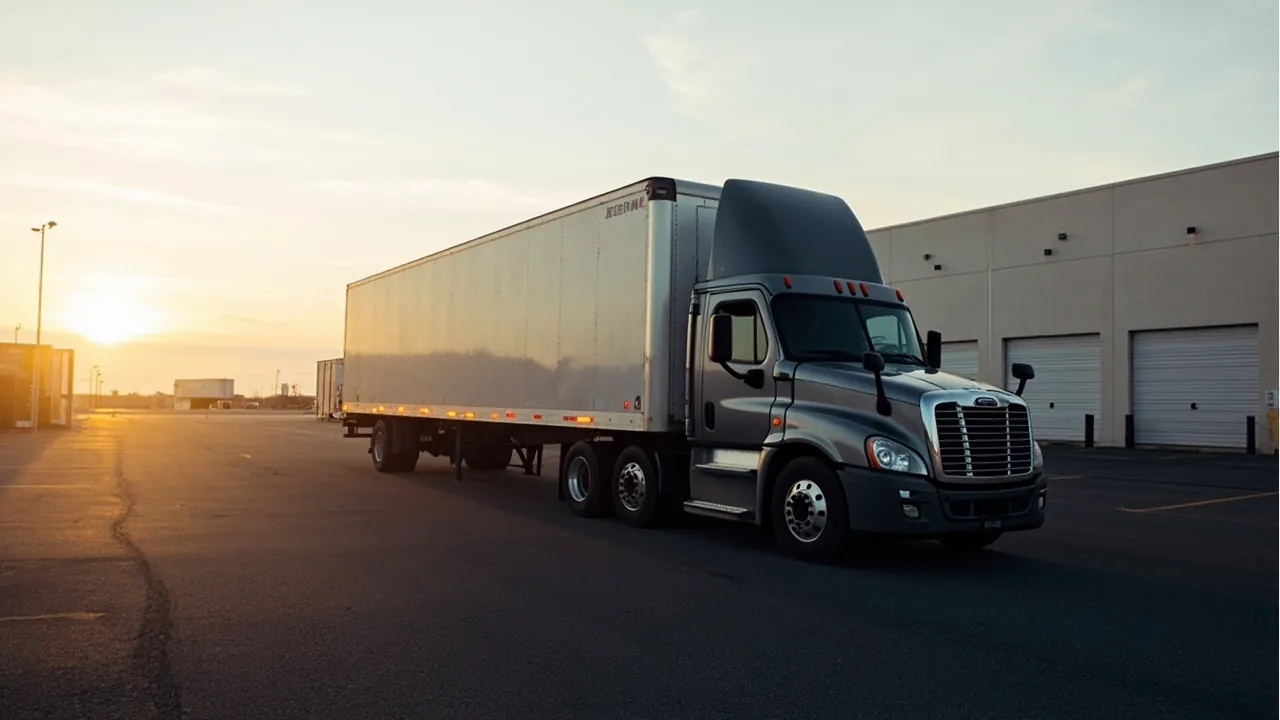
Flatbed freight is exposed freight. It rides in the weather, takes road shock, and depends on the driver's securement. A cheap rate on the wrong carrier turns into a claim, a delay, or a phone call you did not want. These are the same checks our team runs through the FMCSA SAFER system and the Safety Measurement System (SMS) before we tender a load, and the same ones published in the BKE carrier vetting standard.
Question 1: What is your MC number, and how long has it been active?
Every interstate motor carrier operating under authority has an MC number issued by the Federal Motor Carrier Safety Administration (FMCSA). Active authority is the floor, not the bar. Ask how long the authority has been continuously active, and whether it has been recently granted, reinstated, or interrupted. You can verify the record yourself on FMCSA SAFER.
Question 2: Can you email me a current Certificate of Insurance?
Authority and insurance are two different things. A carrier can have active MC authority and still be operating without the liability and cargo coverage required under 49 CFR Part 387. Ask for the Certificate of Insurance directly, the actual COI, with carrier legal name, policy number, coverage limits, and expiration date.
Pay attention to the cargo limit. General liability does not cover your freight. Cargo coverage does. If a carrier hedges on sending the COI, or sends one without cargo coverage, that is a stop sign.
Question 3: Where do you sit on the FMCSA SMS right now?
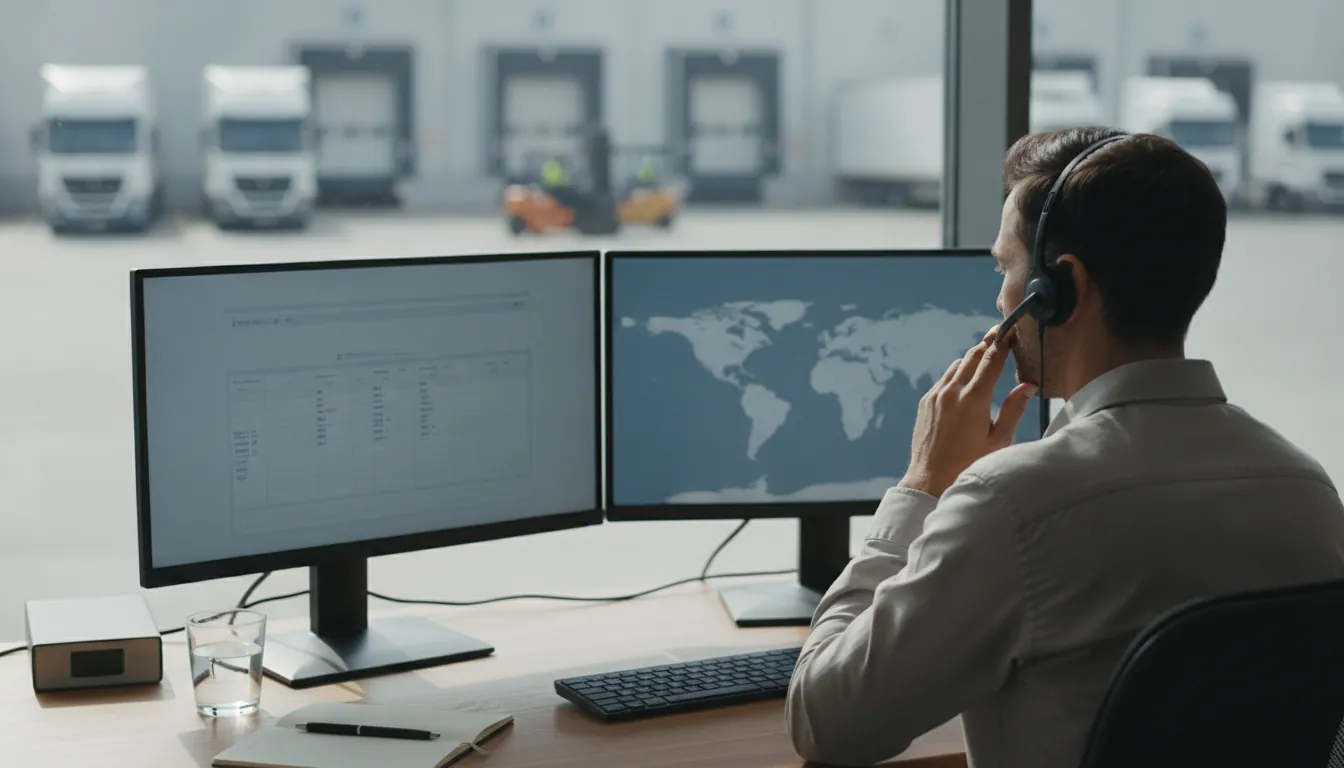
The Safety Measurement System is not a one-time lookup. Per the FMCSA SMS methodology, the system rolls up roadside inspection data into BASICs, unsafe driving, hours of service, vehicle maintenance, driver fitness, controlled substances, and crash indicator. A carrier that looked clean at booking can have a fresh violation on the morning of tender.
Ask the carrier directly where they sit. Better yet, pull the SMS snapshot yourself on SAFER. If any BASIC is above the intervention threshold, or if the Crash Indicator BASIC has ticked recently, that is information you want before the truck is dispatched.
Question 4: What does the driver need to know about the load?
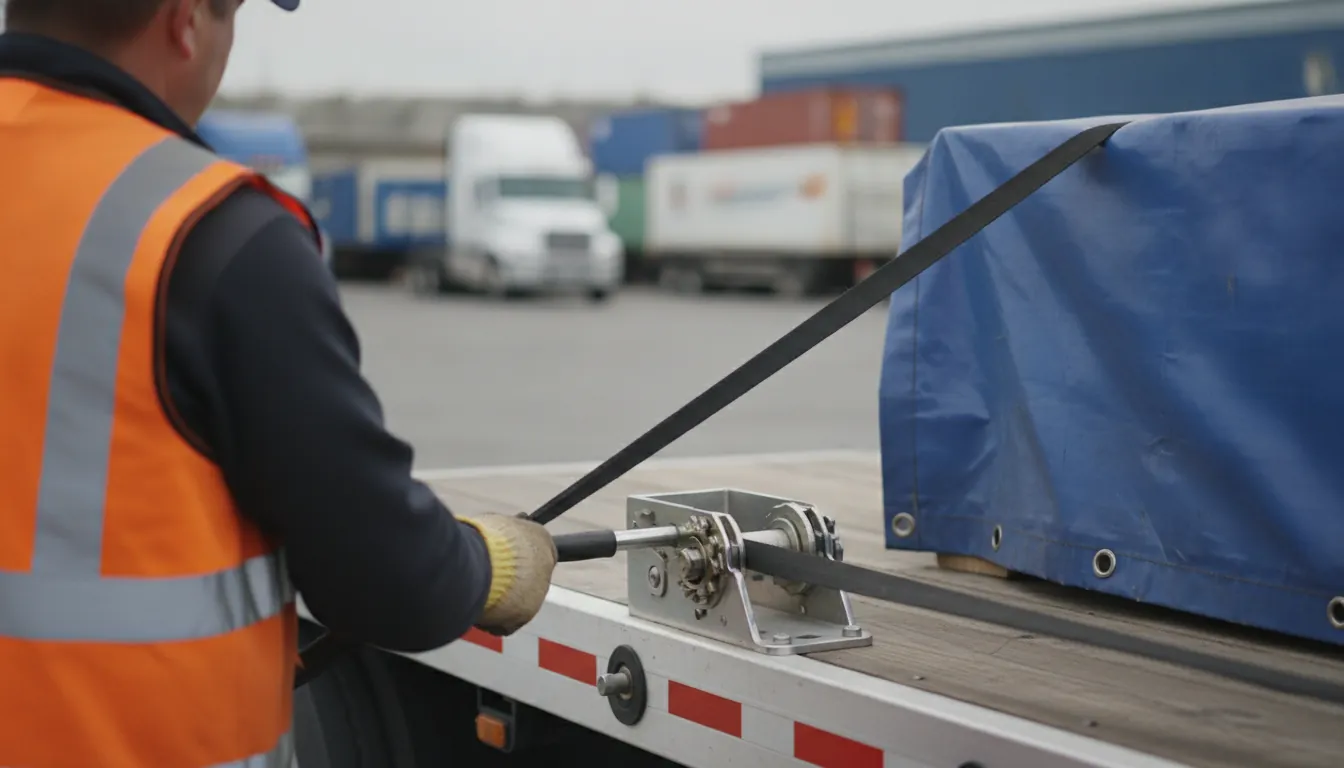
This is the question most shippers never ask. Flatbed securement is governed by 49 CFR Part 393 and the FMCSA's Cargo Securement Rules. The driver cannot secure what they do not understand. Walk through the load: piece count, dimensions, weight, loading method, tarp requirements, and any restrictions at pickup or delivery.
If the dispatcher cannot answer those questions without putting you on hold, the driver is going to show up underprepared. The load bounces, the appointment slips, and somebody eats a detention charge. This is the question that separates a flatbed carrier from a flatbed dispatcher.
Question 5: Who is the driver, and what equipment is on it?
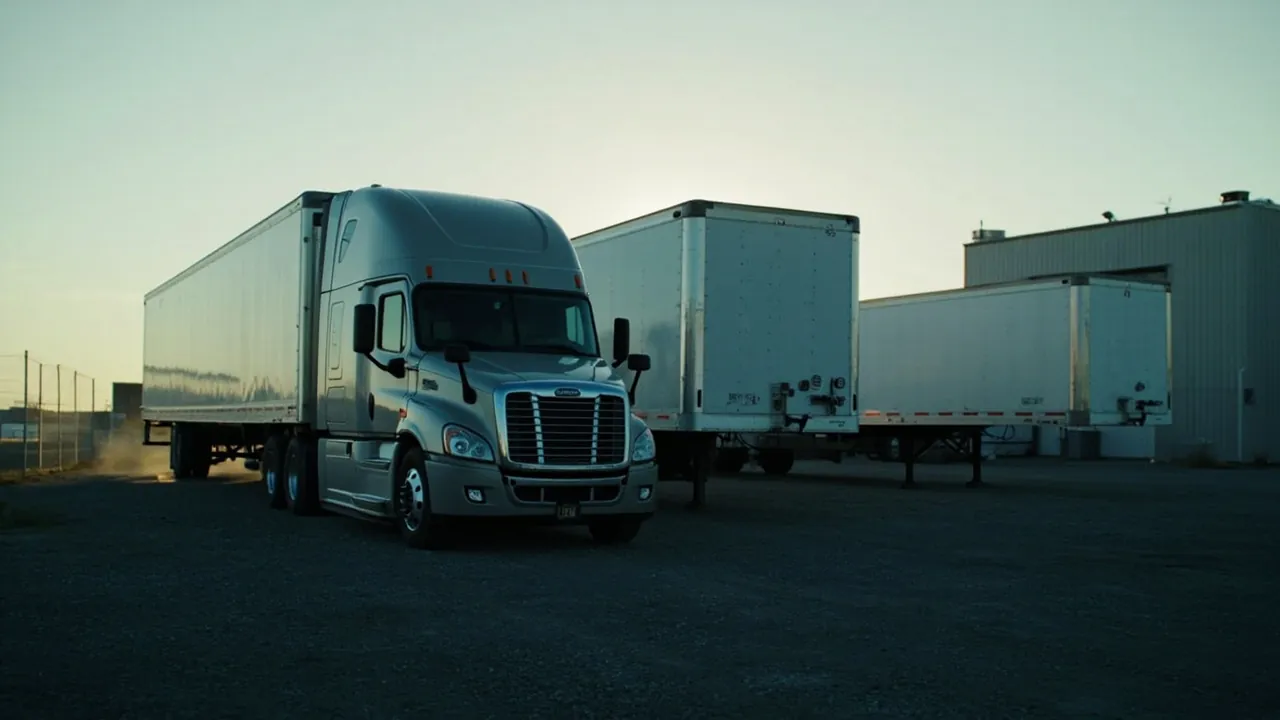
Double brokering is the most expensive freight scam in the industry right now. A carrier accepts your load, then re-tenders it to another carrier you never vetted. Your freight ends up on a truck that never passed your insurance or safety checks.
Ask for the driver's name and the truck number before pickup. Confirm the equipment at the origin matches what the carrier told you. If a driver cannot identify the load, or the equipment does not match, do not release the freight.
What BKE does on every load
This is the same checklist we run before we tender a load. FMCSA operating authority, insurance certificate, SMS snapshot, load-fit conversation, and driver/equipment identity at pickup. If a check fails, we do not tender. We would rather tell a shipper a load is delayed than gamble their freight on a carrier we cannot stand behind.
For the full written standard behind this checklist (authority history, insurance thresholds, safety data, fraud screening, and our hard stops) see the BKE Carrier Vetting Standard.
If you would rather not run this checklist on every quote, that is what a broker is for. BKE is a licensed freight broker. MC# 1588065, USDOT# 4141583, with a surety bond on file. Send the load details through our quote form or call (479) 351-0393.